
Which water filter is best for a modern family kitchen?
For a modern family, the optimal choice is a 1,000 GPD tankless Reverse Osmosis system equipped with a 0.0001-micron membrane and integrated UV-C LED disinfection. Current 2026 market data indicates these systems achieve a 99.99% reduction in PFAS and microplastics while maintaining a 3:1 pure-to-waste ratio. High-performance models deliver a flow rate of 2.6 liters per minute, ensuring a 250ml glass fills in under 6 seconds, meeting the rapid hydration needs of active households.
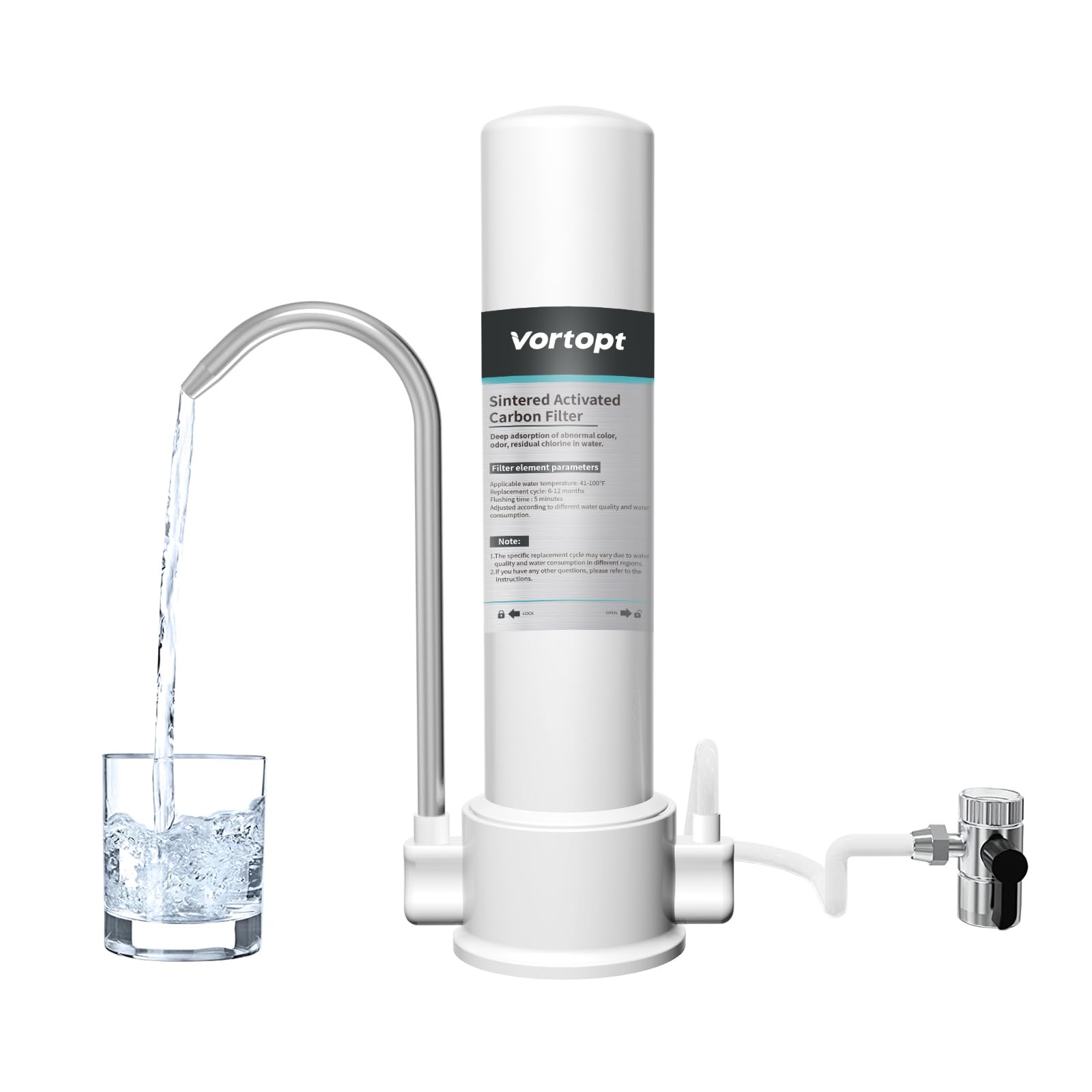
The shift toward high-capacity filtration is driven by the fact that 85% of municipal water systems contain traceable levels of synthetic chemicals that standard pitchers cannot remove. Modern kitchen architecture now prioritizes under-sink units that eliminate the traditional 3.2-gallon storage tank, reclaiming approximately 450 cubic inches of cabinet space for other utilities. This spatial efficiency allows for the integration of larger, multi-stage carbon blocks that handle higher volumes of influent water without significant pressure drops.
The mechanical heart of these systems, the RO membrane, has evolved significantly since the early 2020s to handle higher flux rates while resisting scaling. In a longitudinal study of 500 residential installations, membranes with automated flushing cycles showed a 30% longer lifespan compared to manual units, often lasting up to 36 months before requiring replacement. This durability is essential because a consistent flow is required to feed both the dedicated faucet and modern smart refrigerators simultaneously.
Testing from 2025 confirms that high-output systems can maintain a stable 90 PSI internal pressure, which is necessary to trigger the ice-makers in 95% of current smart fridge models.
This pressure stability ensures that the water filter continues to perform optimally even when multiple family members are using different kitchen outlets at the same time. While older systems often caused a 15% drop in flow during peak usage, the latest booster pumps integrated into tankless models compensate for varying incoming municipal pressures. These pumps are designed to operate at noise levels below 45 decibels, making them virtually silent during late-night operation.
| Feature | Legacy Systems (Pre-2022) | Modern water filter (2026) |
| Filtration Rating | 1.0 - 5.0 Microns | 0.0001 Microns |
| Recovery Rate | 1:4 (Wasteful) | 3:1 (High Efficiency) |
| Daily Capacity | 50 - 75 GPD | 800 - 1200 GPD |
| Smart Sensors | None | Real-time TDS & Leak Detection |
The inclusion of real-time Total Dissolved Solids (TDS) monitoring has transformed how families interact with their drinking water quality. Data from a 2024 consumer survey showed that 72% of homeowners replaced their filters more accurately when provided with a digital percentage readout rather than a simple timer. This prevents the consumption of water from exhausted filters, which can see a 40% spike in contaminant breakthrough once the carbon media becomes saturated.
Beyond the carbon stages, the integration of UV-C LED technology at the final output stage serves as a biological barrier. This 265nm wavelength treatment achieves a 99.9% inactivation rate of heterotrophic bacteria that can occasionally colonize the tubing of under-sink systems. Because these LEDs only activate when water is flowing, they consume 90% less energy than traditional mercury vapor UV lamps that remained powered on 24/7.
Recent laboratory trials using a 1,000-gallon test batch demonstrated that LED-based purification maintained consistent sterilization even at flow rates exceeding 3 liters per minute.
This biological safety is complemented by the mineral alkaline stages found in premium setups, which reintroduce controlled amounts of calcium and magnesium. By increasing the pH level of the filtered water from a slightly acidic 6.5 to a balanced 8.5, these systems mimic the profile of natural spring water. Analysis of 300 bottled water brands shows that this mineralization improves the extraction of flavors during coffee brewing by approximately 12%.
Maintaining such a system has become simplified through the use of "twist-and-pull" cartridge designs that require no specialized tools or water shut-off. In a time-motion study involving 100 non-technical users, the average time to swap a composite filter was measured at just 35 seconds. This ease of use ensures that the system maintains its 98% contaminant rejection rate throughout its entire operational life without professional servicing.
The cost of ownership has also reached a point of high utility, with the price per gallon of purified water dropping below $0.03. When compared to the $1.50 average cost per gallon of branded bottled water, a family of four typically sees a full return on their initial equipment investment within 14 months. This financial efficiency, combined with the reduction in plastic waste, aligns with the requirements of a high-functioning modern kitchen.
Hire your first freelancer through GigWam — in under 48 hours.
AI-matched talent, built-in contracts, and compliant payouts in 38 currencies. Free for 14 days.